A Changing Security Landscape in Ghana
Ghana’s urban growth, expanding residential estates, commercial hubs, and digital adoption are reshaping how safety is planned and managed. Traditional guarding methods are no longer enough on their own. Property owners, facility managers, and households now rely on connected systems that provide visibility, speed, and accountability.
In 2026, Smart Security Tech is influencing how risks are identified, monitored, and controlled across homes, offices, gated communities, schools, and industrial facilities. These technologies support prevention rather than reaction, helping people stay informed and protected at all times.
Magnum Force Security Company Limited continues to observe a clear shift toward integrated security systems that combine trained personnel with digital intelligence to meet modern safety demands in Ghana.
Why Smart Security Technology Matters in 2026
Security threats today are more complex than in the past. Unauthorized access, property crime, cyber-physical risks, and delayed response times remain major concerns. Smart systems support faster decision-making and reduce dependence on manual supervision alone.
The adoption of Smart Security Tech allows properties to operate with higher efficiency, better reporting, and stronger control over access points. These systems also create audit trails, which are useful for investigations and compliance.
As internet connectivity improves across Ghana, more facilities are able to implement connected security solutions without major infrastructure challenges.
Smart CCTV Cameras: Eyes That Never Miss Critical Moments
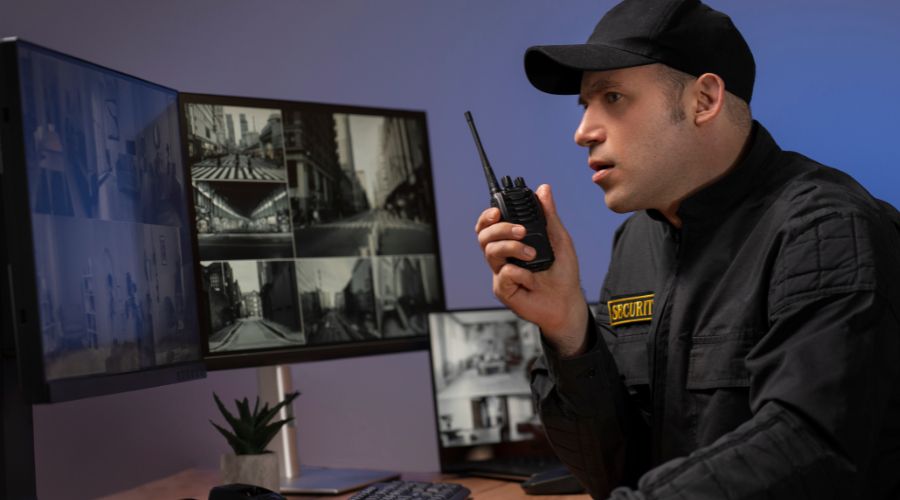
Modern surveillance has moved far beyond simple recording. Smart CCTV cameras now analyze activity in real time, offering features that support both security teams and property owners.
These cameras can detect motion patterns, identify unusual behavior, and send alerts instantly. Footage can be accessed remotely, allowing supervisors to review incidents without being physically present on-site.
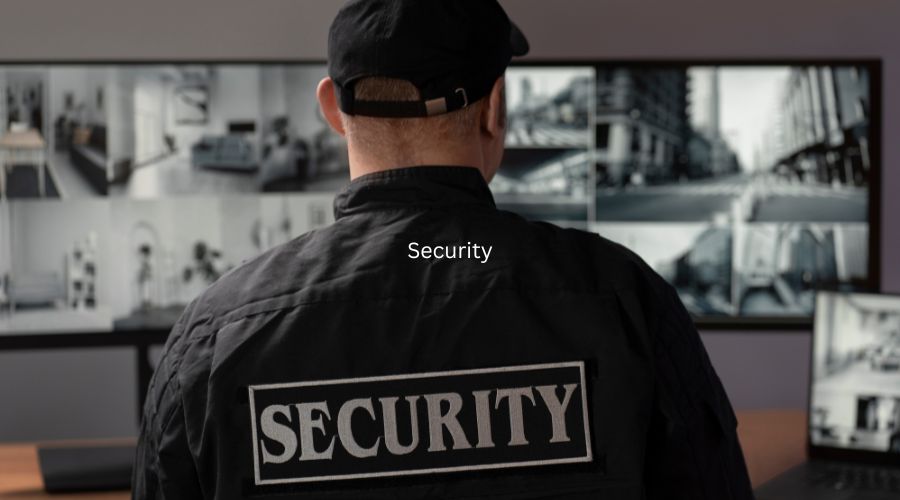
For commercial buildings and residential estates, smart cameras improve perimeter awareness and reduce blind spots. When combined with trained security officers, they strengthen response accuracy and accountability.
Smart Door Locks and Sensors: Control at Every Entry Point
Access points are often the weakest link in physical security. Smart door locks and sensors help reduce this risk by replacing manual keys with controlled digital access.
These systems allow authorized entry through PIN codes, cards, biometrics, or mobile authentication. Sensors detect forced entry attempts and notify administrators immediately.
In apartments, offices, and warehouses, digital locks reduce unauthorized duplication of keys and improve record-keeping. This makes access management simpler, especially in properties with frequent staff or tenant changes.
Smart Security Apps: Centralized Monitoring and Alerts
Mobile applications now act as command centers for security operations. Smart security apps connect cameras, alarms, sensors, and access systems into a single interface.
Property owners and managers can receive alerts, view live feeds, review logs, and control devices remotely. This improves reaction time and reduces reliance on physical presence, which is especially valuable for Mining Security Services where sites are remote, operations run continuously, and real-time oversight is critical for protecting assets, personnel, and infrastructure.
For security companies, apps provide reporting tools that improve transparency and client communication. Magnum Force Security Company Limited integrates such platforms to support structured monitoring and clear incident documentation.
Smart Home Security Systems: Protection for Modern Living
Residential security has become a priority as housing developments expand across Ghana. Smart home security systems combine cameras, sensors, alarms, and access controls into a unified network.
Homeowners can monitor activity, manage visitor access, and receive alerts when unusual movement is detected. These systems help reduce burglary risks and provide peace of mind for families.
As remote work and travel increase, connected home security ensures continuous protection even when residents are away.
Smart Access Control Systems: Managing Movement in Large Facilities
Smart access control systems are widely used in offices, hospitals, factories, and schools. They regulate who can enter specific areas and at what times.
These systems reduce internal security risks and help organizations maintain safety protocols, which is essential for Secure Cargo Handling Services where controlled access and verified movement of goods are critical. Logs generated by access platforms also support audits and investigations when needed, helping organizations track responsibility and maintain compliance..
In high-traffic environments, controlled access improves order and reduces congestion while supporting emergency procedures.
Key Benefits of Smart Security Integration
The value of Smart Security Tech lies in how systems work together rather than individually. When integrated correctly, they support prevention, monitoring, and response.
- Real-time alerts for faster action
- Digital access logs for accountability
- Remote monitoring from secure platforms
- Reduced reliance on manual checks
- Better coordination with security personnel
This integrated approach aligns with how modern security planning is structured in 2026.
Role of Magnum Force Security Company Limited
Technology alone does not replace professional security planning. Magnum Force Security Company Limited combines trained personnel with modern systems to deliver balanced protection.
Their approach focuses on risk assessment, system deployment, and continuous monitoring. By integrating Smart Security Tech into daily operations, they help clients improve safety without disrupting normal activities.
For consultation or service coordination, Contact us 233-0302-781921.
Smart Security and Google’s Helpful Content Standards
This content is written to serve people searching for clear, practical information. It avoids exaggerated claims and focuses on real-world use cases relevant to Ghana.
The discussion reflects how security technology is actually applied, ensuring clarity, relevance, and trustworthiness. This aligns with current search quality expectations that prioritize usefulness over promotional language.
Conclusion
As Ghana continues to grow and modernize, security planning must evolve alongside it. The trends shaping safety in 2026 show a clear move toward connected systems that improve awareness, control, and response. Smart CCTV cameras, digital access controls, mobile monitoring platforms, and home security solutions are no longer optional additions—they are practical tools for reducing risk and improving accountability.
To stay informed about security updates and services, businesses can connect through the company’s Google Business Profile and Facebook page, where regular insights and announcements are shared. For enquiries or to take the next step, contact us at 233-0302-781921 and get guidance on improving your security setup.
FAQ’s
Q1: How is smart security technology changing safety in Ghana?
Smart security technology is improving safety in Ghana by enabling real-time monitoring, faster response, and better control over access points. Homes and businesses can now track activity remotely, receive instant alerts, and reduce security gaps that often occur with manual systems alone.
Q2: Are smart security systems reliable for businesses in 2026?
Yes, smart security systems are reliable for businesses when installed and managed properly. They help reduce unauthorized access, support incident tracking, and improve coordination between security teams and management, especially in offices, warehouses, and commercial facilities.
Q3: Can smart security technology be used in residential areas?
Smart security technology is widely used in residential areas across Ghana. Homeowners benefit from connected cameras, door sensors, and alarms that provide visibility and control, even when they are away from the property.
Q4: Do smart security systems replace physical security guards?
Smart security systems do not replace security guards. Instead, they support guards by providing better visibility, digital records, and faster alerts. Trained personnel remain essential for on-ground response, decision-making, and emergency handling.